
The Q Edit
Purchase professional-grade PowerPoint slides, classroom teaching materials, technique videos, and downloadable protocols. Then test your knowledge with free, instantly graded practice quizzes. Materials are built for professionals, teachers, and students alike.
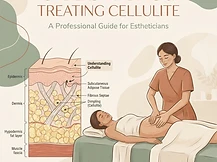
Understanding and Treating Cellulite
An assignment on cellulite morphology, causes, ingredients, and clinical treatment options

Mastering the Back Facial: Profitability & Upselling
A strategic guide to pricing, protocol, and upsell techniques for back facials

Basic Facial Protocol
Signature Facial: 60-Minute Efficiency Protocol
Free Practice Quizzes
Test your knowledge. Quizzes are graded instantly, and your results are saved to your account.
Reference Guide
Esthetics Dictionary
A growing glossary of industry terms and definitions — a handy reference for students, professionals, and educators.
Acne
SkinA common skin condition occurring when hair follicles become clogged with oil and dead skin cells, resulting in pimples, blackheads, or whiteheads.
Aesthetician
A licensed skin care specialist who provides treatments to improve and maintain the health and appearance of the skin.
Alkali
ChemistryA substance with a pH above 7; in skincare, strong alkalis can disrupt the skin's acid mantle and cause irritation.
Allantoin
IngredientsA soothing extract from the comfrey plant that softens keratin, promotes cell regeneration, and calms irritation. It is gentle and is frequently used in products for sensitive or compromised skin.
Alpha Hydroxy Acid (AHA)
IngredientsA group of water-soluble acids derived from fruits and milk that exfoliate the skin's surface by loosening the bonds between dead skin cells. Common AHAs include glycolic, lactic, mandelic, and tartaric acid. They improve texture, tone, and brightness while stimulating collagen production.
Antioxidant
SkinA molecule that neutralizes free radicals, helping protect skin cells from oxidative damage caused by UV and pollution.
Azelaic Acid
IngredientsA dicarboxylic acid found in grains that reduces inflammation, redness, and hyperpigmentation. It is effective for rosacea, post-acne marks, and melasma and is safe for long-term use across most skin types.
Bactericidal
ChemistryCapable of destroying bacteria; a property of certain disinfectants and skincare actives.
Bakuchiol
IngredientsA plant-based alternative to retinol derived from the babchi plant. It provides retinol-like benefits, smoothing fine lines and improving tone, but is gentler and does not cause the dryness or sensitivity associated with retinoids.
Benzoyl Peroxide
IngredientsAn antimicrobial ingredient that kills acne-causing bacteria within the pore and helps reduce excess oil. It is effective for inflammatory acne but can be drying and may bleach fabrics, so it should be used as directed.
Beta Hydroxy Acid (BHA)
IngredientsOil-soluble acids, most commonly salicylic acid, that penetrate into pores to dissolve sebum and dead skin cells. BHAs are especially effective for oily and acne-prone skin because they exfoliate inside the pore lining, reducing blackheads and breakouts.
Caffeine
IngredientsA vasoconstrictor and antioxidant that temporarily reduces puffiness and dark circles under the eyes by tightening blood vessels. It also offers mild protection against free-radical damage from UV exposure.
Centella Asiatica (Cica)
IngredientsAn herb known for its soothing and wound-healing properties. It calms irritation, strengthens the barrier, and promotes collagen production, making it popular in sensitive-skin and post-procedure care.
Ceramides
IngredientsLipids that make up a significant portion of the skin's natural barrier. They help retain moisture and protect against environmental irritants. Topical ceramides replenish the barrier, making them key for dry, sensitive, or compromised skin.
Comedone
SkinA clogged hair follicle, commonly known as a blackhead (open) or whitehead (closed).
Contraindication
A condition or factor that makes a particular treatment inadvisable for a client.
Dermis
AnatomyThe middle layer of skin, containing blood vessels, nerves, hair follicles, and sweat glands.
Dimethicone
IngredientsA silicone-based polymer that forms a breathable, protective barrier on the skin. It smooths texture, locks in moisture, and is commonly used in primers, moisturizers, and scar treatments.
Double Dipping
Hair RemovalRe-dipping a used waxing spatula into the wax pot — a contamination risk that must always be avoided.
Emollient
SkinAn ingredient that softens and soothes the skin by forming a protective barrier to reduce moisture loss.
Epidermis
AnatomyThe outermost layer of skin, providing a protective barrier and regulating moisture.
Extrusion
SkinThe manual removal of comedones and pustules during a facial treatment.
Ferulic Acid
IngredientsA plant-based antioxidant that stabilizes and boosts the effectiveness of vitamins C and E. When combined, the trio provides stronger protection against environmental damage and improves the stability of the formula.
Free Radicals
ChemistryUnstable molecules that damage cells and accelerate aging; countered by antioxidants.
Glycerin
IngredientsA simple, widely used humectant that draws water from the air and deeper skin layers into the stratum corneum. It is well tolerated by all skin types and is a foundational hydrating ingredient in cleansers, serums, and moisturizers.
Glycolic Acid
IngredientsThe smallest AHA molecule, derived from sugarcane, which allows it to penetrate the skin easily. It exfoliates the surface to improve texture, tone, and radiance and is often used in chemical peels and resurfacing treatments.
Green Tea Extract (EGCG)
IngredientsA polyphenol-rich botanical antioxidant that reduces inflammation, protects against UV-induced damage, and soothes the skin. EGCG is its main active compound and is widely used in calming and anti-aging formulations.
Humectant
SkinAn ingredient that attracts and retains moisture in the skin, such as glycerin or hyaluronic acid.
Hyaluronic Acid
IngredientsA humectant molecule that occurs naturally in the skin and can hold up to 1,000 times its weight in water. Applied topically, it draws moisture into the skin to plump, hydrate, and smooth fine lines without adding oil.
Hyperpigmentation
SkinDarkening of the skin caused by excess melanin production, often from sun exposure or inflammation.
Jojoba Oil
IngredientsA liquid wax ester from the jojoba plant that closely resembles human sebum. It moisturizes and balances oil production without clogging pores, making it suitable for oily and acne-prone skin.
Keratin
AnatomyA fibrous protein that forms the structural component of skin, hair, and nails.
Kojic Acid
IngredientsA byproduct of sake fermentation that inhibits tyrosinase, the enzyme responsible for melanin production. It is used to brighten skin and fade dark spots and is often combined with other brightening agents for enhanced effect.
Lactic Acid
IngredientsAn AHA derived from milk that gently exfoliates while also drawing moisture into the skin. It is milder than glycolic acid, making it a good choice for sensitive or dry skin types seeking brightness and hydration.
Mandelic Acid
IngredientsAn AHA derived from bitter almonds with a larger molecular size that penetrates the skin more slowly, making it gentle and suitable for sensitive and acne-prone skin. It also has mild antibacterial properties.
Melanin
AnatomyThe natural pigment that gives skin, hair, and eyes their color; produced by melanocytes.
Melasma
SkinA form of hyperpigmentation characterized by brown or gray-brown patches, often triggered by hormones.
Microneedling
EquipmentA treatment using fine needles to create controlled micro-injuries, stimulating collagen production.
Niacin
IngredientsVitamin B3 in its base form, a precursor to niacinamide. It supports barrier function and energy production in skin cells and is often referenced alongside niacinamide in brightening and barrier-repair formulations.
Niacinamide
IngredientsA form of vitamin B3 that strengthens the skin barrier, reduces redness, regulates oil production, and minimizes the appearance of pores. It also helps fade hyperpigmentation and improves skin elasticity over time.
Panthenol (Pro-Vitamin B5)
IngredientsA humectant and emollient that attracts moisture and soothes the skin. It supports barrier repair and reduces irritation, making it common in healing creams, serums, and post-treatment products.
Patch Test
A small application of a product behind the ear or on the inner arm to check for allergic reaction before full treatment.
Peptides
IngredientsShort chains of amino acids that act as signaling molecules to encourage the skin to produce more collagen and elastin. Different peptide types address firmness, wrinkles, and barrier repair, and they are generally well tolerated with minimal irritation.
Polyhydroxy Acid (PHA)
IngredientsA newer generation of gentle acids, including gluconolactone and lactobionic acid, with large molecular structures that exfoliate the surface slowly. They also act as humectants and antioxidants, making them ideal for sensitive skin.
pH Balance
ChemistryThe measure of acidity or alkalinity of the skin or a product; healthy skin sits around 4.7-5.5 (slightly acidic).
Resveratrol
IngredientsAn antioxidant found in grapes and berries that protects skin from free-radical damage and supports collagen. It is often used in anti-aging products to defend against environmental stress and improve firmness.
Retinol
IngredientsA vitamin A derivative and over-the-counter form of retinoid that accelerates cell turnover, stimulates collagen, and smooths fine lines and discoloration. It can cause dryness and sensitivity, so it is typically introduced gradually and used at night.
Rosehip Seed Oil
IngredientsA cold-pressed oil rich in essential fatty acids and natural vitamin A that nourishes, regenerates, and brightens the skin. It is valued for improving scars, fine lines, and uneven tone.
SPF
SkinSun Protection Factor; a number indicating how well a product protects skin from UVB rays.
Salicylic Acid
IngredientsThe most common BHA, derived from willow bark. It is oil-soluble, allowing it to penetrate pores and dissolve the keratin plugs that cause blackheads and acne. It also has anti-inflammatory properties that calm breakout-prone skin.
Sanitation
Reducing the number of pathogens on surfaces or tools to a safe level; required between every client.
Sebaceous Gland
AnatomyA gland in the skin that produces sebum (oil) to lubricate skin and hair.
Sebum
AnatomyThe oily substance produced by sebaceous glands that keeps skin and hair moisturized.
Shea Butter
IngredientsA fat extracted from the nuts of the shea tree that is rich in vitamins A and E. It deeply moisturizes, soothes, and reinforces the skin barrier, making it a staple in rich creams and body butters.
Squalane
IngredientsA lightweight, non-comedogenic oil derived from olives, sugarcane, or rice bran that mimics the skin's natural sebum. It moisturizes and softens without clogging pores, making it suitable for most skin types.
Stratum Corneum
AnatomyThe outermost layer of the epidermis, composed of dead skin cells that provide a protective barrier.
T-zone
SkinThe forehead, nose, and chin area — typically the oiliest part of the face.
Telangiectasia
AnatomyDilated small blood vessels near the skin surface, often called spider veins or broken capillaries.
Titanium Dioxide
IngredientsA mineral sunscreen active that physically blocks UV rays and is often paired with zinc oxide for broad-spectrum protection. It is gentle and photostable and is commonly used in sensitive-skin and baby sunscreens.
Tranexamic Acid
IngredientsA synthetic derivative of the amino acid lysine that reduces melanin production and is effective for treating hyperpigmentation, melasma, and post-inflammatory marks. It is often paired with vitamin C and niacinamide.
UV Index
SkinA scale measuring the strength of sunburn-producing UV radiation at a particular place and time.
Urea
IngredientsA natural moisturizing factor in the skin that draws in water and gently exfoliates. At low concentrations it hydrates, while higher concentrations provide keratolytic exfoliation for rough or callused skin.
Vitamin C (L-Ascorbic Acid)
IngredientsA potent antioxidant that neutralizes free radicals, brightens the skin, and inhibits melanin production to fade dark spots. It also supports collagen synthesis. L-ascorbic acid is the most active form; other stable derivatives include sodium ascorbyl phosphate and tetrahexyldecyl ascorbate.
Zinc Oxide
IngredientsA mineral sunscreen active that sits on the skin's surface and physically blocks both UVA and UVB rays. It is non-irritating and suitable for sensitive and post-treatment skin, though it can leave a white cast depending on formulation.